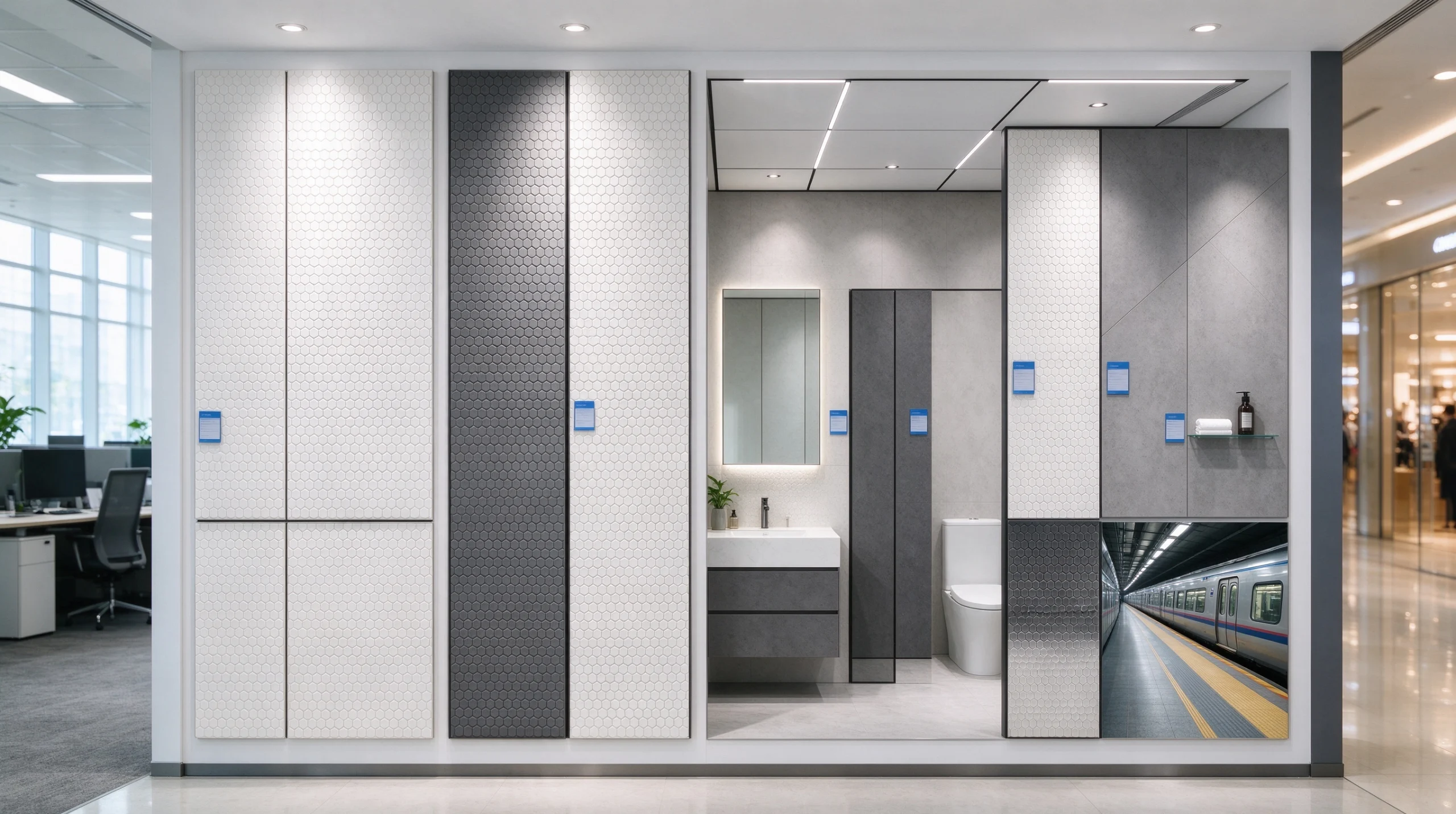
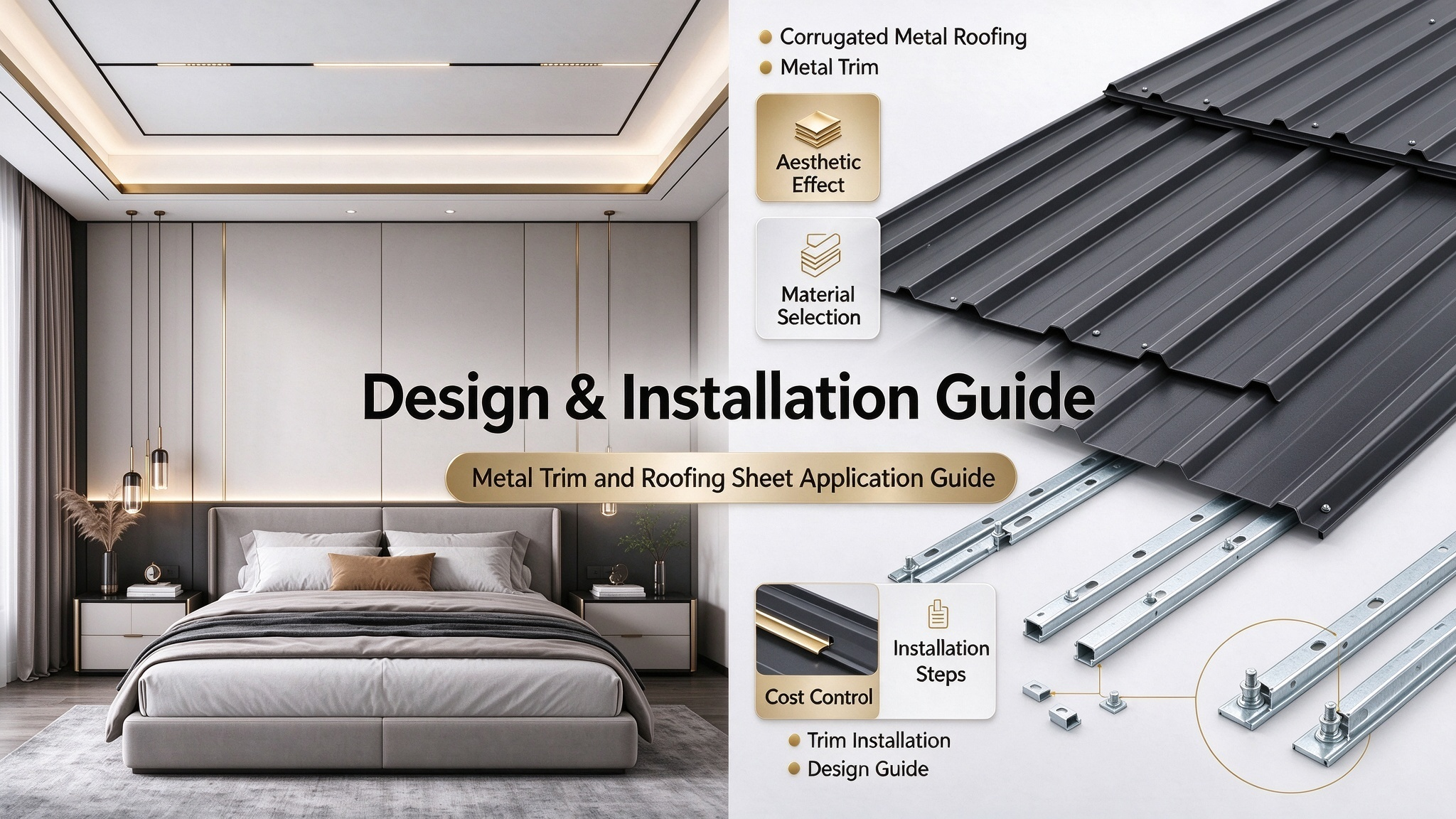
What Problems Does Aluminum Honeycomb Panel Actually Solve? A Reality Check from Global Project Sites
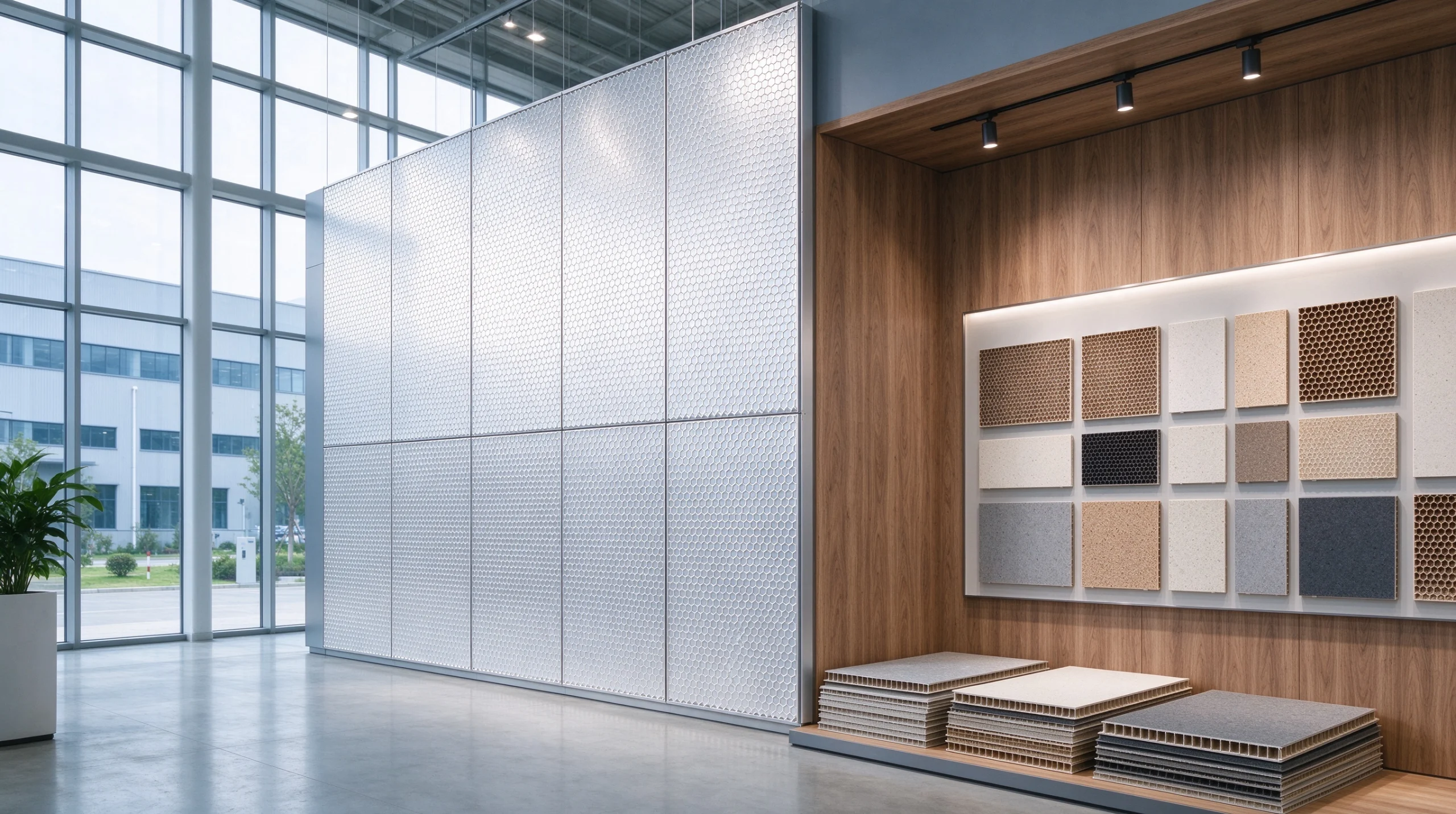
Let’s be honest. Most building material marketing talks about “premium quality” and “innovative technology.” That tells a project manager nothing. What a contractor in port charlotte or a façade engineer in malaysia actually needs to know is simpler: what problem does this product solve, and is it worth the cost?
The aluminum honeycomb panel has been around for decades in aerospace. But its migration into mainstream building material aluminum applications is not because it’s fashionable. It’s because it solves four specific, painful problems that conventional solid aluminum sheets and other building materials aluminum flat stock simply cannot.
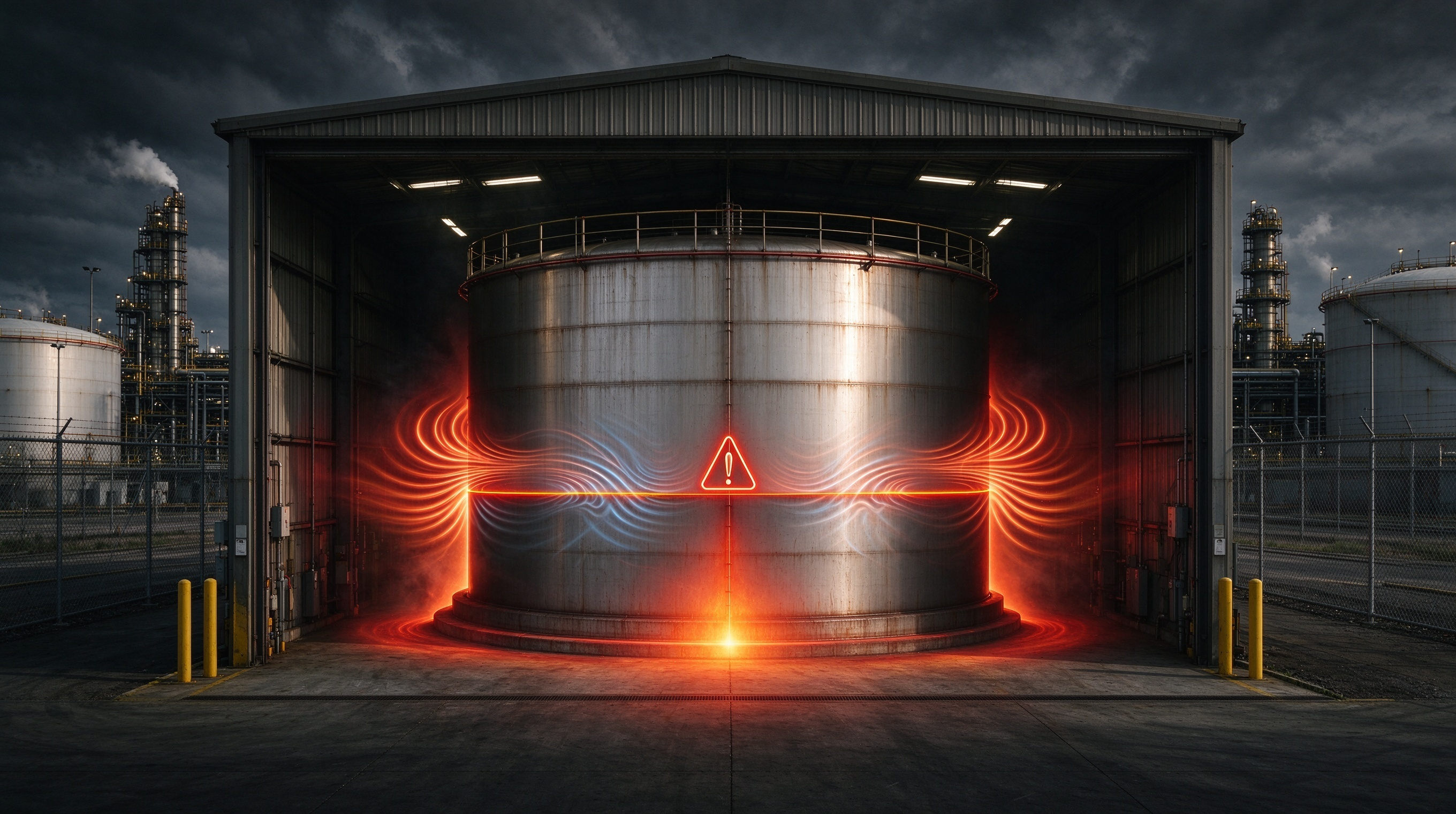
Problem One: The Oil-Canning Nightmare
Walk into any commercial lobby finished with standard aluminum cladding and look at the wall under raking light. You will likely see ripples, waviness, and uneven reflections. This is “oil-canning”—the visible distortion that occurs when thin solid metal sheets are stressed, heated, or cooled. It looks cheap. It undermines the architect’s design intent. And it generates callbacks for contractors.
The aluminum honeycomb core panel eliminates this problem at the structural level. By bonding two thin aluminum skins to a hexagonal core, the panel achieves a stiffness-to-weight ratio that solid aluminum cannot approach. Research comparing honeycomb sandwich structures to equivalent solid aluminum plates shows that for the same stiffness, the honeycomb structure can be five times lighter, or conversely, far stiffer at the same weight. This is why structural aluminium honeycomb panel systems maintain perfect flatness over spans that would turn a solid sheet into a funhouse mirror.
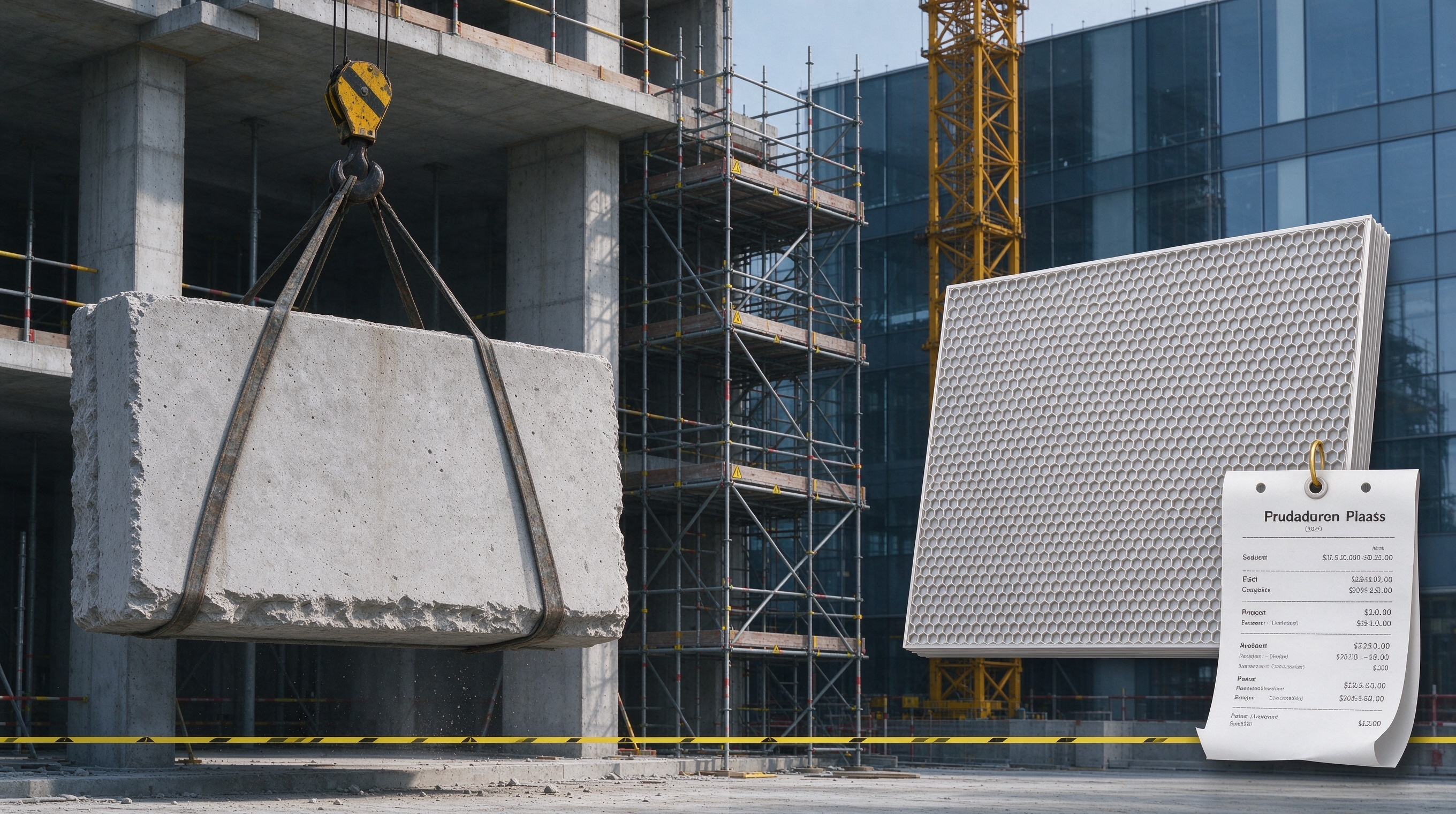
Problem Two: The Weight Penalty Nobody Budgets For
Every kilogram of cladding on a building’s façade translates into steel, concrete, and foundation costs. Traditional building materials aluminum fram solutions are relatively light compared to stone, but they still impose a load. For high-rise projects in singapore or brisbane, that load adds up fast.
The aluminum honeycomb panel weight advantage is not marginal. A typical 25mm honeycomb panel with 1.0mm face sheets weighs roughly 8-9 kg/m², while a solid aluminum plate of equivalent stiffness would be dramatically heavier. For a 10,000 m² aluminum wall panel cladding project, that difference translates into hundreds of tonnes of structural steel savings. This is why larcore aluminium honeycomb panels and similar systems are increasingly specified for tall buildings where every kilogram matters.
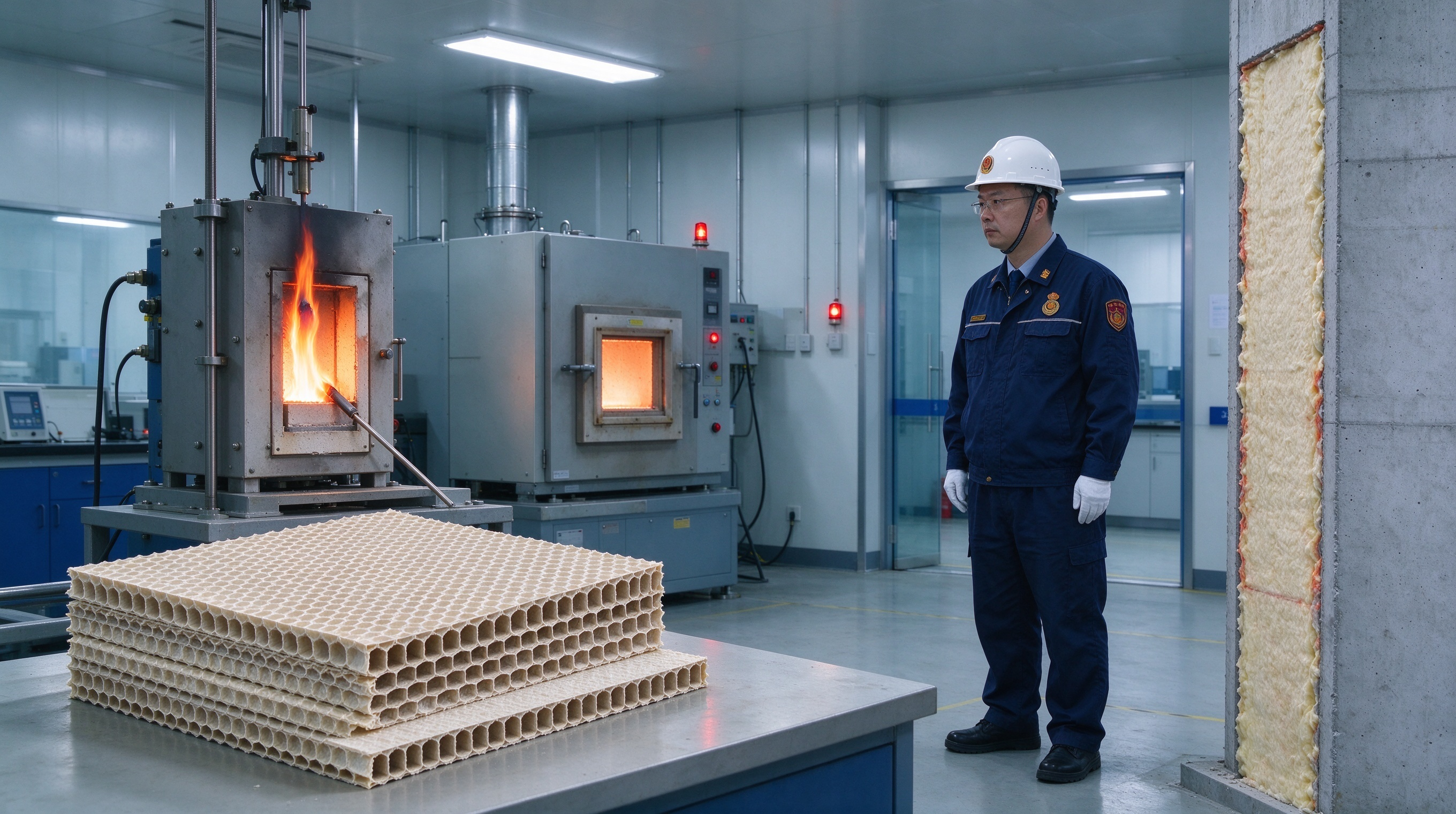
Problem Three: Fire Safety Compliance Without Compromise
The fire-resistant aluminum honeycomb panel segment is the fastest-growing category in the market, projected to reach USD 533 million by 2035 at a 9.5% CAGR. This growth is not driven by aesthetics. It is driven by regulation.
Post-Grenfell, façade fire safety regulations across Europe, the Middle East, and Asia have tightened dramatically. A stone aluminium honeycomb panel or aluminum honeycomb sandwich panel used on a high-rise must now demonstrate compliance with standards like EN 13501-1 Class A2 or equivalent. The all-aluminum construction of honeycomb panels—core and skins—means they can achieve non-combustible ratings that polymer-core alternatives cannot. For a aluminum honeycomb panel wholesaler supplying projects in malaysia or singapore, the ability to provide certified fire test documentation is now a non-negotiable entry requirement.
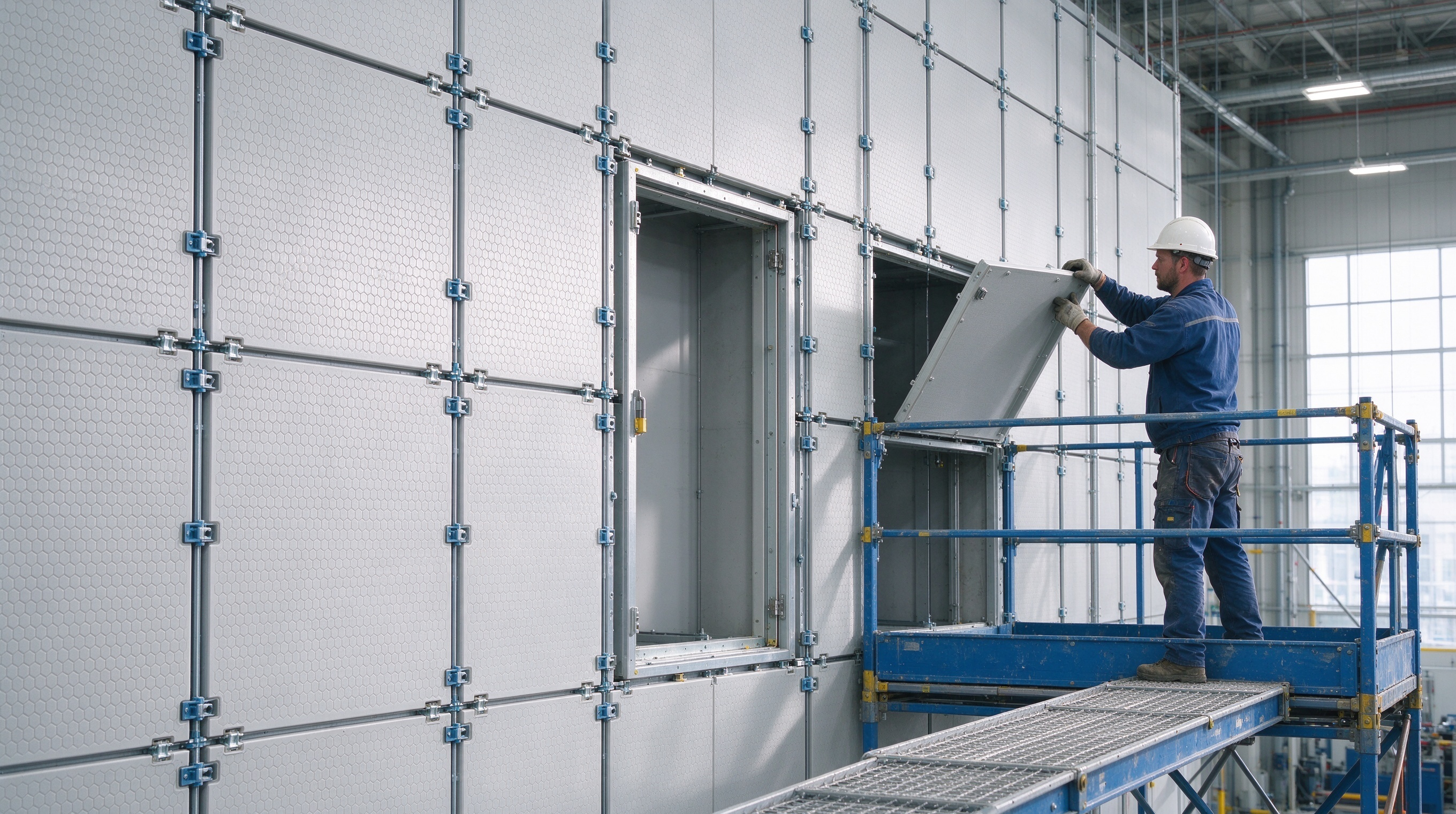
Problem Four: Installation Speed and Access
Large-format ceiling and wall panels look beautiful in renderings. In reality, installing them is a logistical headache. Heavy panels require multiple workers and equipment. Complex edge details slow down the crew. And once installed, accessing the plenum above for maintenance becomes a destructive operation.
The aluminum honeycomb ceiling panel with integrated honeycomb panel edge trim systems solves this. Modern large-format honeycomb ceiling panels can be installed from below using torsion spring or hook-on systems, with panels as large as 5‘ x 10’ handled by a two-person crew. Recent patent innovations for airport ceiling installations use pre-embedded profiles with V-shaped toothed surfaces and continuous bolt grooves, enabling quick installation and convenient disassembly for maintenance. For a aluminum honeycomb panel factory supplying aluminum honeycomb ceiling systems to transit hubs or commercial complexes, this installation efficiency directly translates into labor cost savings.
What It Doesn’t Solve (The Honest Part)
No material is perfect. The aluminum honeycomb panel prices are higher than solid aluminum flat stock. The aluminum honeycomb panel manufacturing process requires precision bonding and quality control that not every factory can deliver. And if you specify a cheap panel with inadequate aluminum honeycomb panel density or poor adhesive, you will get delamination—the honeycomb equivalent of a nightmare.
This is why sourcing matters. A aluminum honeycomb panel wholesaler who cannot provide aluminum honeycomb panel strength test data, fire certification, and aluminum honeycomb panel vibration fault detection protocols is not a partner. They are a liability.
The Bottom Line
The aluminum honeycomb panel is not a luxury product for prestige projects. It is a problem-solving material for projects where flatness, weight, fire safety, and installation efficiency actually matter. Whether you are a building materials aluminum distributor in wadsworth oh or a contractor sourcing aluminum building material near temecula, the question is not whether honeycomb is “better.” The question is whether the specific problems it solves are the ones keeping you up at night.