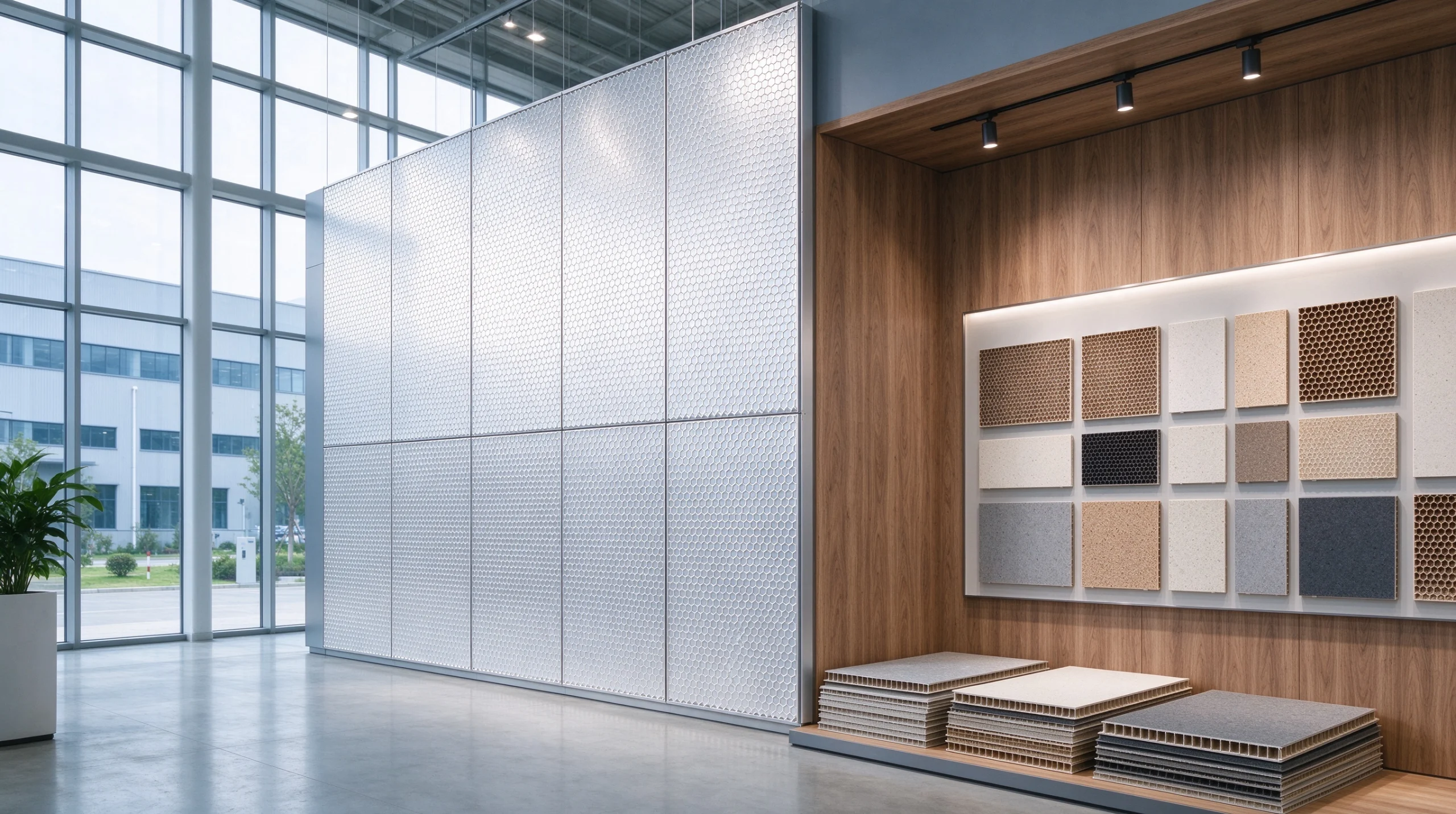
Where Aluminum Honeycomb Panel Actually Gets Used: A No-Nonsense Guide for Specifiers
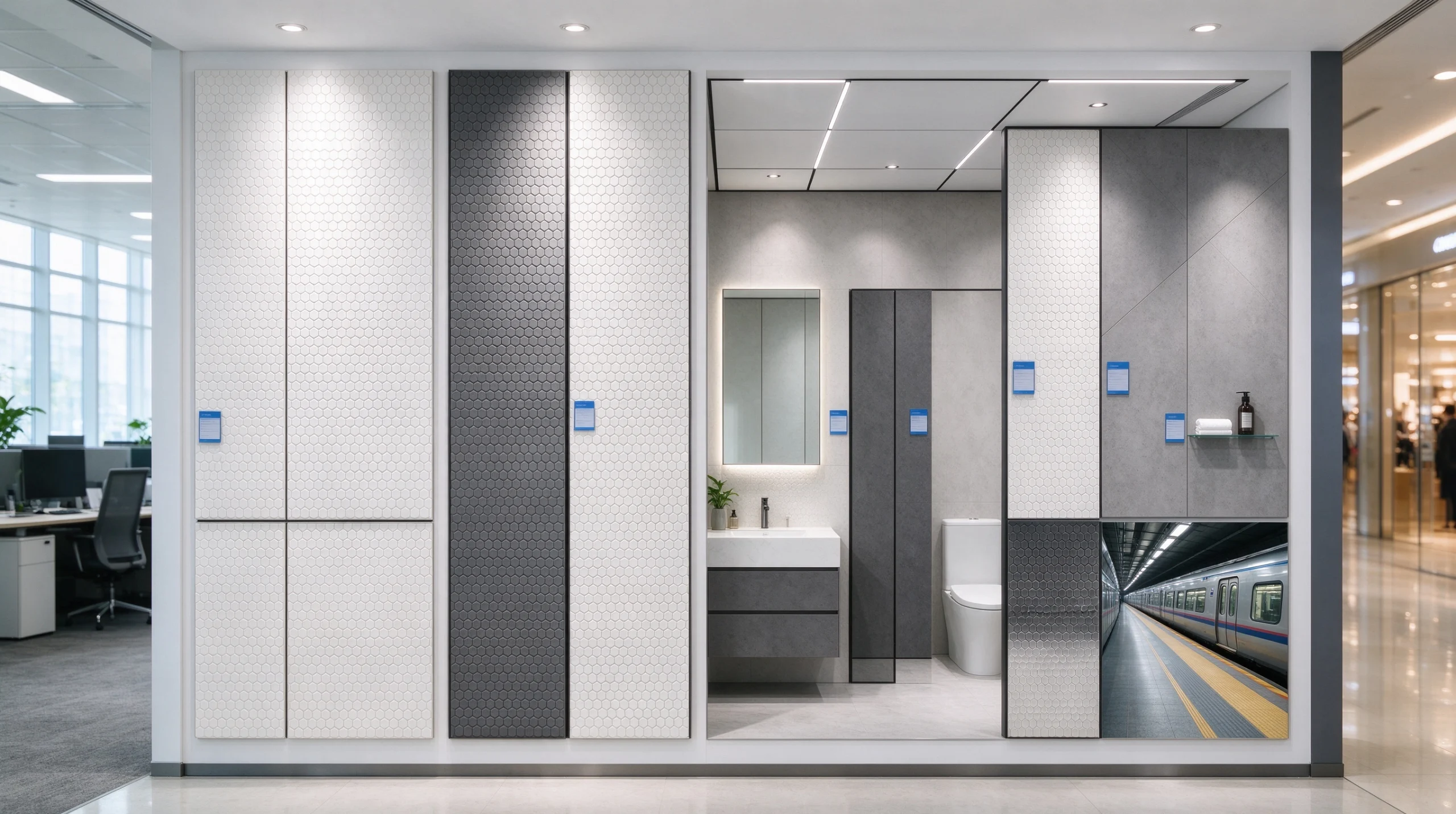
Ask a supplier where their aluminum honeycomb panel can be used, and the answer is usually “everywhere.” That is unhelpful. The material has specific strengths and specific limitations. This guide cuts through the noise and maps the actual application landscape for structural aluminium honeycomb panel systems, based on project data and industry specifications.
Range One: High-Performance Façades and Wall Cladding
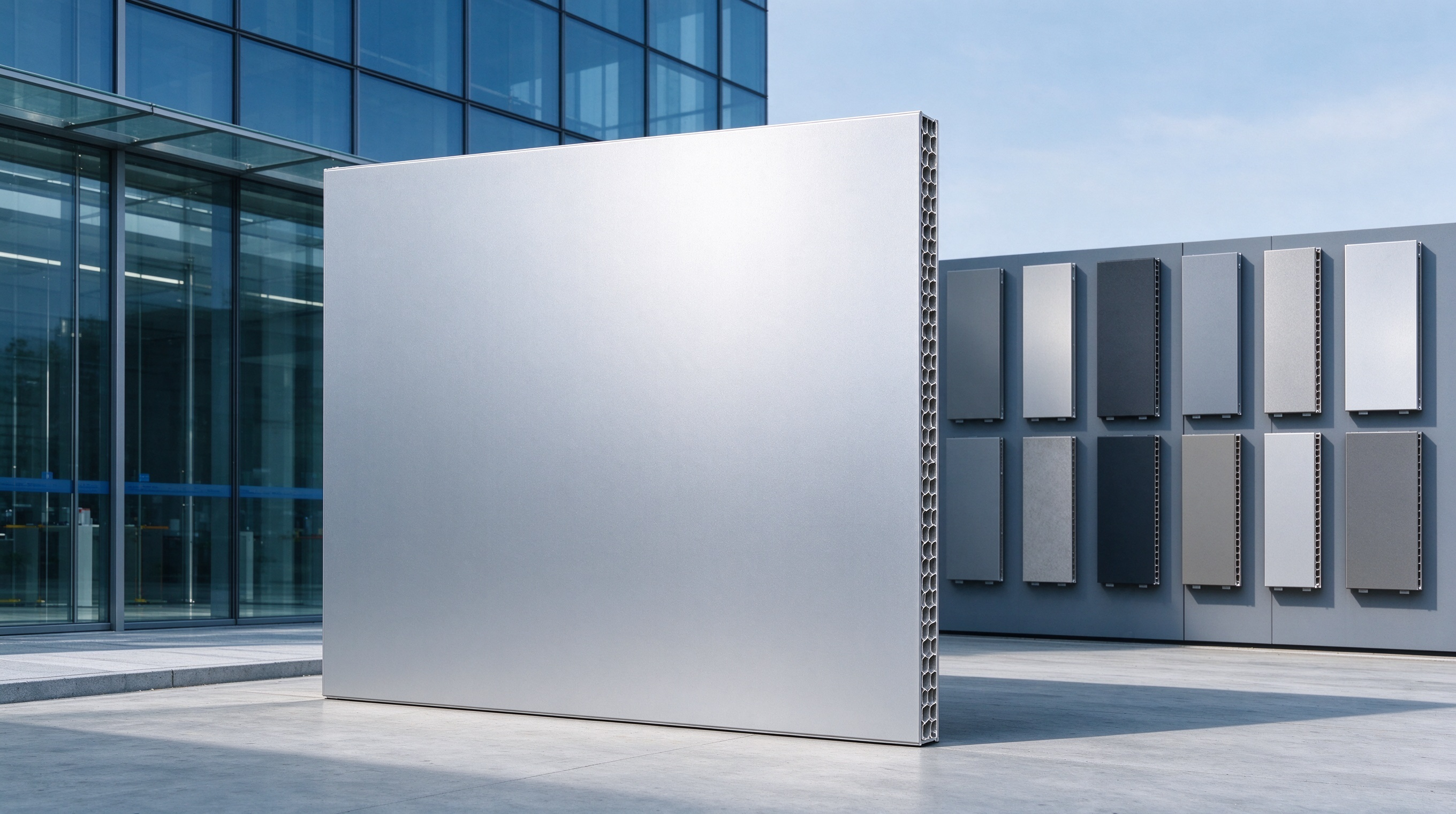
This is the largest and most demanding application. Aluminum wall panel cladding on commercial towers, cultural buildings, and transport hubs requires a material that can withstand wind loads, thermal cycling, and rain penetration while maintaining visual perfection.
The structural aluminium honeycomb panel excels here because its sandwich construction distributes wind pressure evenly across the surface. For a stone aluminium honeycomb panel façade, the honeycomb core provides the rigidity needed to support the weight of thin stone veneer without the massive substructure that solid stone would require. Projects in brisbane and perth facing coastal wind and salt spray rely on PVDF-coated honeycomb panels with proper honeycomb panel edge trim sealing to prevent corrosion at the edges.
The larcore aluminium honeycomb panels segment specifically targets this façade market, offering a balance of flatness and formability. For complex geometries, the aluminum honeycomb panel manufacturing process allows for CNC routing and folding, enabling curved and faceted forms that would be impossible with solid sheet.
Range Two: Ceilings—From Airports to Offices
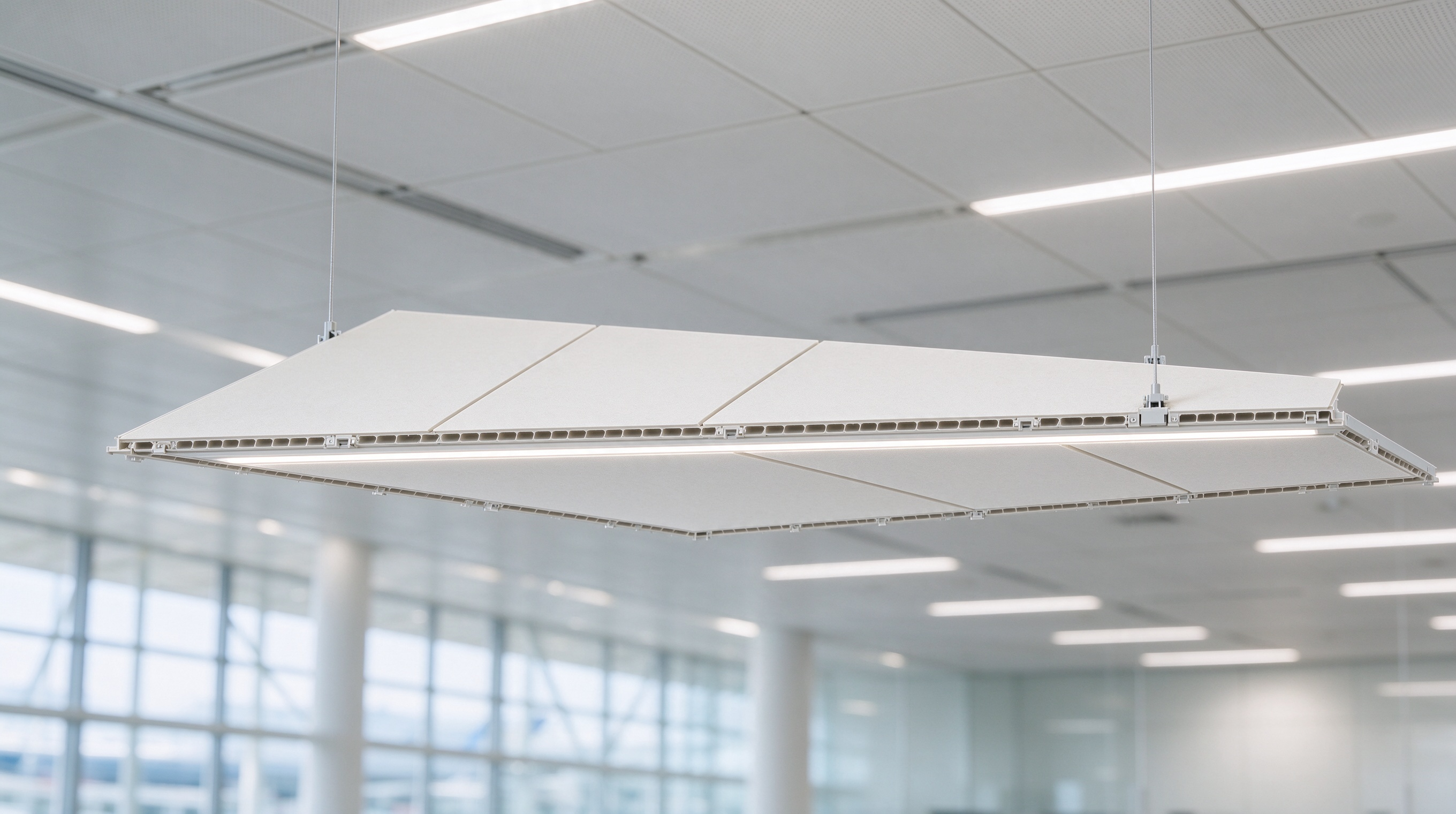
The aluminum honeycomb ceiling panel is the second major application cluster. The requirements here differ from façades: weight is less critical (ceilings are not wind-loaded), but flatness, acoustic performance, and installation access are paramount.
Large-space buildings like airports and convention centers use aluminum honeycomb ceiling panel systems because the material stays flat over massive spans. The patent landscape shows active innovation in this area: recent filings describe pre-embedded profiles with continuous bolt grooves that allow panels to be installed quickly and removed for maintenance access without damaging the ceiling system. For a aluminum honeycomb panel factory supplying these projects, the ability to provide honeycomb panel edge trim that integrates with standard suspension grids is a competitive differentiator.
In singapore and malaysia, the acoustic/soundproof aluminum honeycomb panel segment is growing rapidly in office and hospitality fit-outs. Perforated face sheets combined with acoustic tissue inside the honeycomb cells achieve sound absorption coefficients that meet commercial acoustic requirements. The aluminum honeycomb panel sound-absorbing panel factory that can tune perforation patterns and core configurations for specific frequency ranges has a clear advantage.
Range Three: Floors and Walkable Surfaces
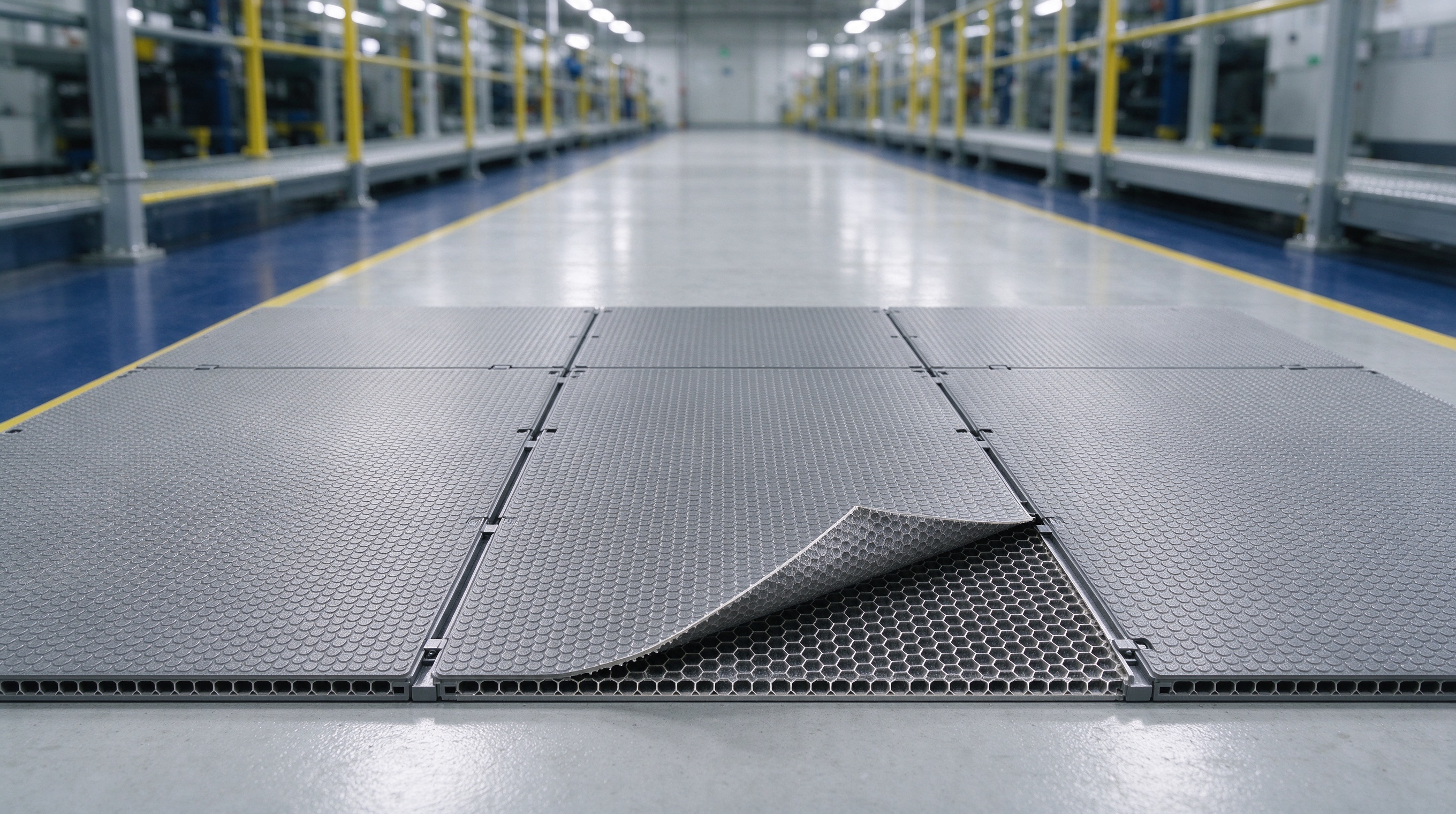
This is a smaller but technically demanding application. Aluminum honeycomb floor panel systems are used in mezzanines, data center raised floors, and maintenance walkways where aluminum honeycomb panel weight must be minimized without sacrificing point-load capacity.
The aluminum honeycomb sandwich panel structure is well-suited here because the core density and face sheet thickness can be tuned to meet specific load requirements. A aluminum honeycomb floor panel quotes request should always specify the design load (kN/m²), the maximum deflection allowed, and the fire rating required. For aluminum honeycomb floor panel supply to data centers, the panels must also integrate with cable management systems and maintain EMI shielding properties.
Range Four: Roof Systems
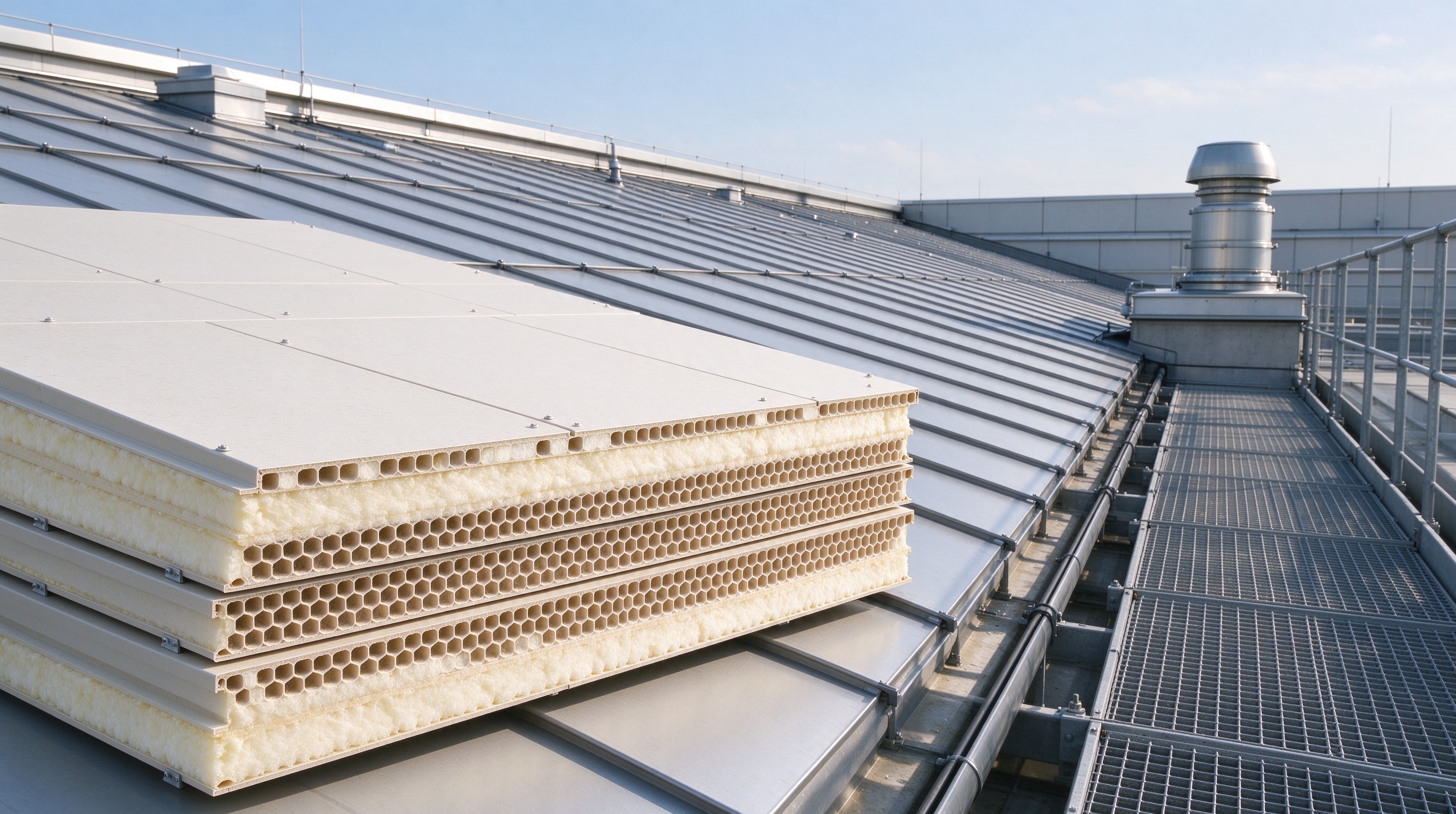
Aluminum honeycomb roof panel applications are growing in large-span canopies, stadium roofs, and industrial facilities. The key requirement here is wind uplift resistance and weather sealing. The aluminum honeycomb roof panel factory must provide certified uplift load tables and aluminum honeycomb panel vibration fault detection analysis to ensure panels do not fatigue under cyclic wind loading.
For aluminum honeycomb roof panel installations in port charlotte or other hurricane-prone regions, the edge detailing becomes critical. The honeycomb panel edge trim must be mechanically fastened and sealed, not just adhesively bonded, to prevent water ingress and panel blow-off.
Range Five: Interior Casework and Furniture
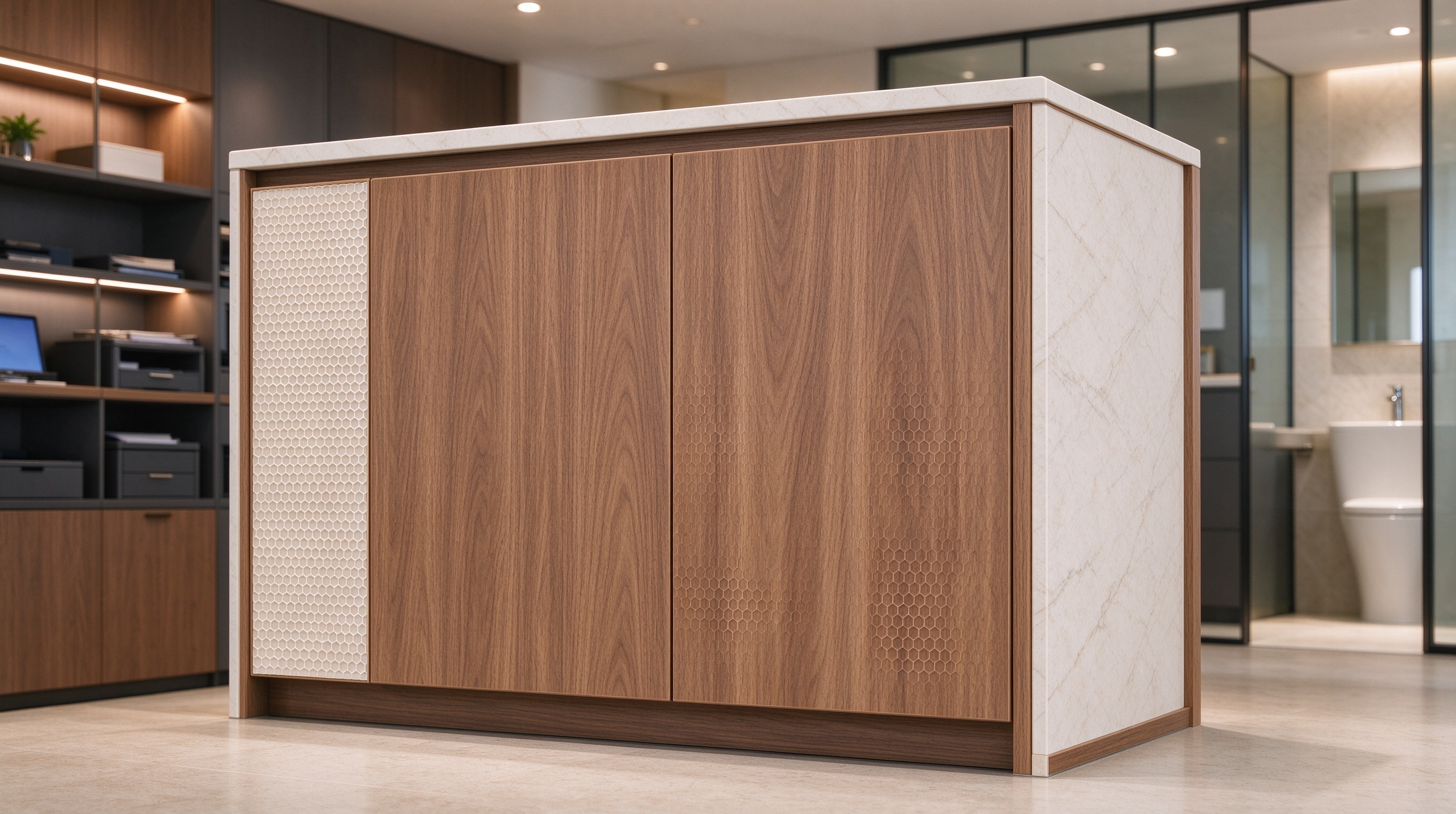
This is the application that surprises many specifiers. Aluminum honeycomb panel kitchen cabinet and aluminum honeycomb panel furniture applications benefit from the material’s flatness and light weight. A cabinet door made from a 10mm honeycomb panel with a decorative face sheet is lighter than solid MDF or plywood, will not warp in humid environments, and can achieve fire ratings that wood-based products cannot.
For aluminum honeycomb panel furniture in malaysia and singapore’s hospitality sector, the humidity resistance is a major selling point. The aluminum honeycomb panel adhesive used in these interior applications must be selected for low VOC emissions and long-term durability under air-conditioned conditions.
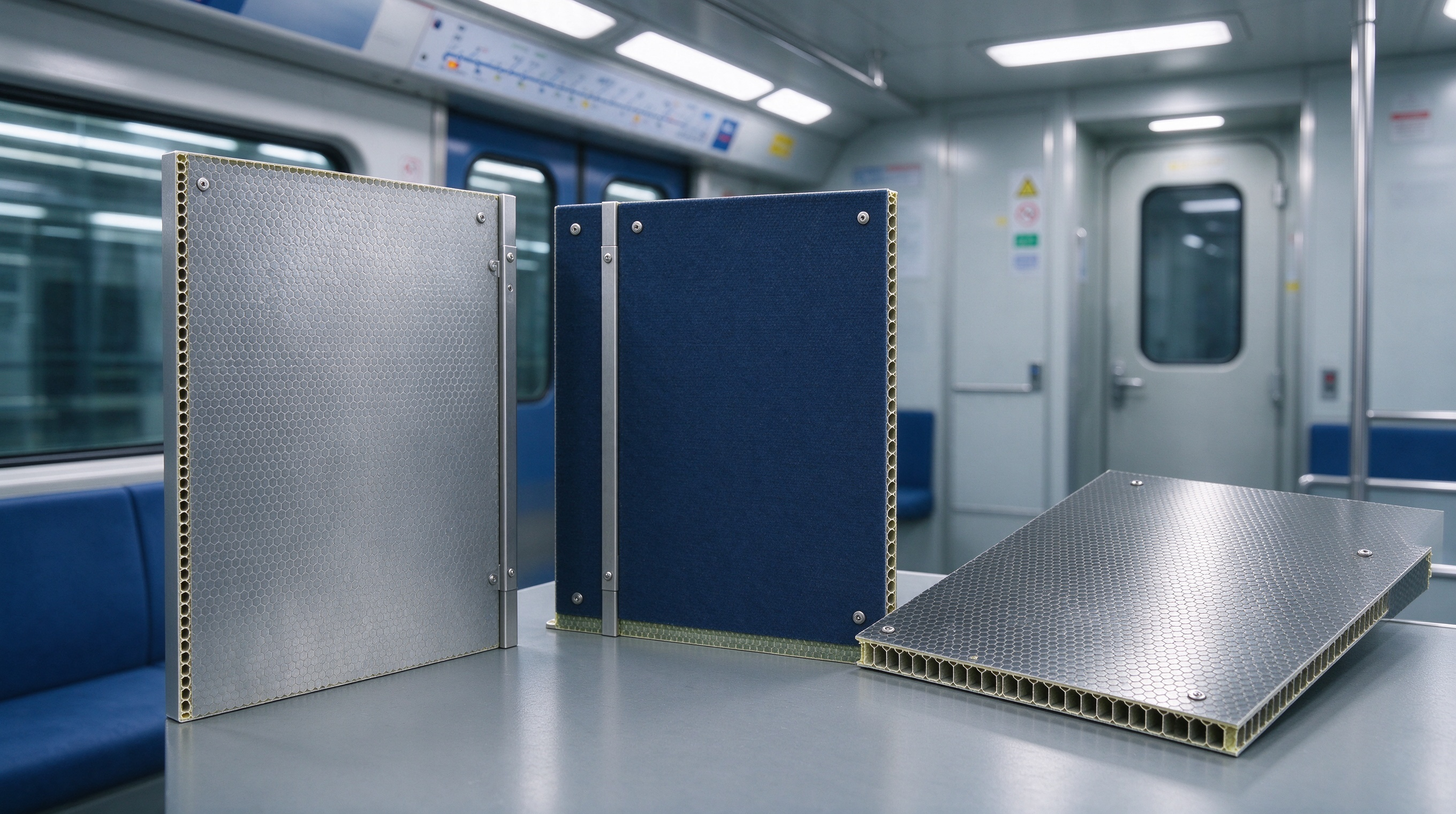
Range Six: Transport and Specialty Applications
The aerospace origins of honeycomb technology are still relevant. Aluminum honeycomb panel is used in rail interiors, marine galleys, and specialty vehicle applications where aluminum honeycomb panel strength and fire safety are critical. While these are not the primary focus for building material suppliers, they demonstrate the material’s versatility and the importance of aluminum honeycomb panel density selection.
Where It Should NOT Be Used
Honesty matters. Aluminum honeycomb panel is not the right choice for:
-
Applications requiring high point-load impact resistance without a sacrificial layer (the thin face sheets dent)
-
Projects with extremely tight budgets where solid aluminum would technically suffice
-
Situations where the aluminum honeycomb panel manufacturing process cannot be controlled (cheap imports with inadequate bonding)
-
Installations where the honeycomb panel edge trim cannot be properly sealed (exposed edges are vulnerable)
Sourcing the Right Range for Your Project
A aluminum honeycomb panel wholesaler who claims their product works for every application is not helping you. The right supplier will ask about your project’s specific requirements: wind load, fire rating, acoustic target, installation access, and budget. They will provide aluminum honeycomb panel pricelist data with clear specifications for aluminum honeycomb panel density, aluminum honeycomb panel weight, and aluminum honeycomb panel strength.
For custom aluminum building material projects, the aluminum honeycomb panel production line must be capable of handling your specific dimensions and finishes. Whether you need aluminum honeycomb panel ceiling tiles for a singapore office or aluminum wall panel cladding for a malaysia tower, the application determines the specification. Start with the problem, not the product.