How Should Buyers Select an Aluminium Honeycomb Composite Panel Wholesaler for B2B Projects?
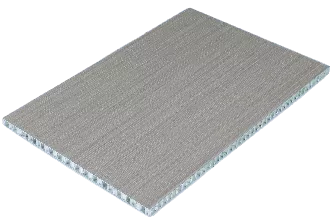
An aluminium honeycomb composite panel wholesaler should be evaluated on more than unit price or a broad claim that a panel is suitable for ceilings. For a B2B project, buyers need to confirm the exact panel construction, thickness, finish, intended environment, module or cutting requirements, compatibility with the supporting ceiling system, batch appearance, packaging scope and the evidence used for approval. A useful quotation should connect the project requirement to one defined product configuration and show what is standard, what requires confirmation and what remains the buyer’s responsibility. For minimalist prefabricated ceilings, JXMT’s Nano Matte White 7mm Aluminum Honeycomb Panel provides a specific product reference, but the final purchase specification should still be built around the actual project drawing and installation conditions.
Begin With the Project Requirement, Not the Wholesaler’s Product List
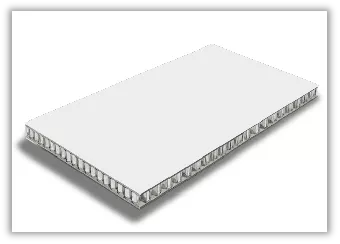
Buyers often start supplier comparison by requesting a catalog and asking for the “closest” white aluminium honeycomb panel. That is convenient, but it can produce quotations that look similar while describing different products. A wholesaler may offer several white surfaces, several thicknesses and different panel families, each intended for a different visual or installation condition.
The RFQ should therefore begin with the ceiling or wall requirement. Define the application area, expected visual effect, panel thickness or permitted build-up, module or cutting requirement, installation system, wet-area exposure where relevant, and any adjoining trims, lighting frames or supporting profiles that must coordinate with the panel.
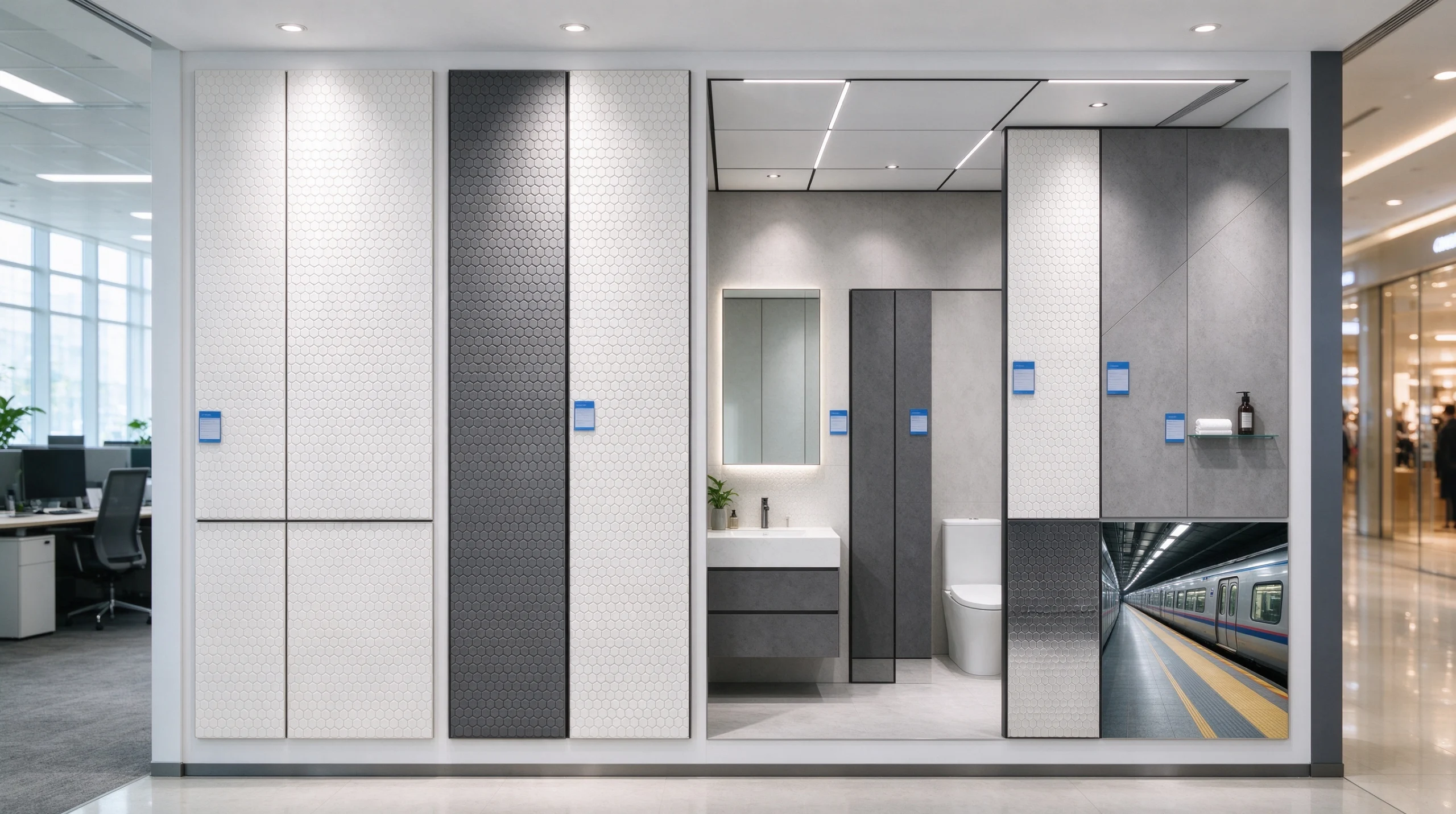
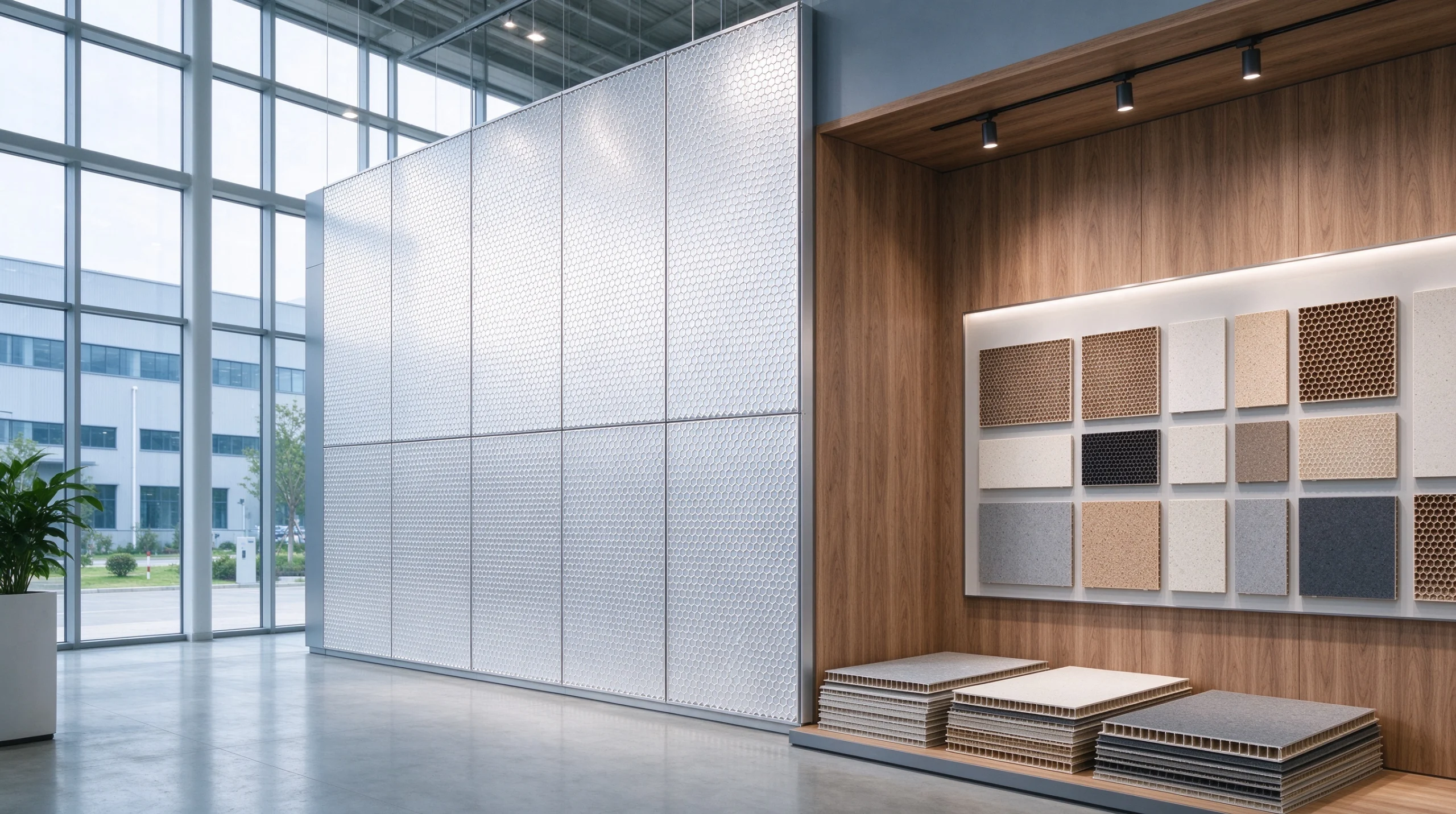
For buyers still comparing panel families, JXMT’s Honeycomb Panels category provides the product-family starting point. The category decision should come before the detailed quotation, because the supplier needs to know whether the project is asking for a solid-color prefabricated ceiling panel, another decorative finish or a different system requirement.
Thickness Must Be Connected to the Installed Ceiling Condition
The target product for this procurement path is a 7mm aluminium honeycomb panel. That number is important, but “7mm” is not a complete engineering or purchasing decision by itself. Panel thickness interacts with panel size, support conditions, the ceiling build-up and the project’s expectations for flatness and handling.
The product description for the Nano Matte White 7mm panel positions the lighter 7mm construction for spaces with regular floor height and states that the honeycomb composite structure is intended to maintain a flat, stable surface while reducing the risk of bending or sagging. A buyer can use that as a product-level reference, but should not assume that the same thickness automatically fits every panel dimension, span or support arrangement.
For project procurement, ask the supplier to confirm the offered thickness against the actual module or cut size and the proposed support system. If large-format pieces, unusual perimeter details or a different supporting arrangement are involved, the supplier should identify whether the same panel specification remains appropriate or whether another configuration should be reviewed.
This is where a drawing becomes more useful than a catalog screenshot. A reflected ceiling plan, module drawing or installation section allows the supplier to see the relationship between the panel, support, perimeter and integrated elements rather than quoting only from a thickness keyword.
Finish Approval Should Separate Color, Gloss and Surface Behavior
“White” is not a sufficient finish specification for a coordinated ceiling project. The target panel is described as Nano Matte White with a soft pure matte surface and gentle light reflection intended to avoid a glaring appearance. That means the buyer is not selecting only a color family; the surface character is part of the visual requirement.
A useful pre-order approval should therefore distinguish the white tone, the matte appearance and the acceptable consistency between panel batches and adjoining components. If the ceiling also uses white trims, supporting profiles or lighting frames, their finish should be reviewed together rather than approved separately from different photographs.
The product description also states that the nano matte coating is intended to resist dust, stains and visible fingerprints for easier cleaning. For procurement, that statement should be treated as a product feature to verify through the actual supplied sample and product documentation. If the project has a formal cleaning, chemical-resistance or durability requirement, the buyer should state that separately instead of assuming a general anti-fouling claim satisfies a project-specific test standard.
Wet-Area Claims Need a Project Boundary
The Nano Matte White 7mm product description identifies all-aluminium construction and states fireproof, moisture-proof, rust-proof and mildew-proof characteristics, with kitchens and bathrooms listed among the intended applications. These are useful product-level claims, but B2B buyers should still separate general product positioning from regulated project acceptance.
For a kitchen, bathroom or other humid interior, confirm how the panel is expected to be installed, what supporting profiles are used, how cut edges and penetrations are treated, and whether the project specification requires any particular fire or environmental documentation. A ceiling system is made of more than the panel face; trims, keels, light openings and other interfaces can affect the finished installation.
If a project requires a named fire classification, certification, test method or regulatory status, request the applicable evidence for the exact offered product. Do not convert a general website feature into an unsupported certification claim.
A Wholesaler Should Be Able to Explain System Compatibility
One of the most important differences between a simple sheet-material transaction and a ceiling-system purchase is compatibility. The panel has to meet adjoining profiles, perimeter trims, supporting components, lighting openings and other ceiling modules. A price for the panel alone may be attractive but incomplete if the installer later has to redesign junctions on site.
This is especially relevant for integrated aluminium honeycomb ceilings. The buyer should identify which edges are visible, which are retained by profiles, where lights or appliances interrupt the ceiling, and whether the project uses coordinated white profiles or contrasting decorative lines.
JXMT’s company profile describes its business as a coordinated ceiling-and-wall system covering honeycomb panels, profiles, keels, lighting and ceiling appliances. That does not remove the need for project verification. It means the buyer can ask for the panel and its adjacent components to be reviewed as one interface package rather than relying on assumptions between unrelated suppliers.
Use the Nano Matte White 7mm Panel as a Controlled Reference
The Nano Matte White 7mm Aluminum Honeycomb Panel gives buyers a specific reference point for the quotation. The available product data identifies a 7mm solid-color prefabricated ceiling panel with a pure matte white surface, honeycomb composite structure, nano matte anti-fouling coating and all-aluminium construction.
Its described application includes residential and commercial interiors, with minimalist and cream-style spaces specifically mentioned. The product page also positions it for humid areas such as kitchens and bathrooms. Those facts help define the product being discussed; they do not replace the project’s own drawing, module schedule or approval requirements.
A practical supplier-comparison sequence is:
Project ceiling condition → panel thickness and finish → module and support relationship → system compatibility → sample and drawing approval → quotation scope → purchase decision.
If a competing wholesaler cannot return the same level of product definition, the apparent price comparison is incomplete.
What Evidence Should Be Requested Before a Wholesale Order?
Evidence should make the offer easier to approve, not simply add documents to an email. Start with a product datasheet or product specification and verify that the product name, thickness, finish and intended application match the quotation. Request a physical finish sample when color and matte appearance are important, and compare it under the lighting conditions relevant to the project when possible.
For cut-to-size or project-specific ceiling work, request a dimensioned drawing or approved panel schedule. The buyer should verify panel dimensions, edge conditions, visible joints and the relationship to the selected supporting or trim profiles. If lighting frames or ceiling appliances interrupt the panel field, those openings should appear in the coordinated drawing rather than being treated as a later site adjustment.
If the project depends on a performance statement such as a fire classification, request the exact supporting document required by the specification. The supplier should identify whether the evidence applies to the offered panel configuration and finish.
RFQ Requirement Table for Aluminium Honeycomb Panel Procurement
| RFQ Input | Why It Changes the Offer | What the Supplier Should Confirm |
|---|---|---|
| Application and room type | Defines visual, humidity and installation conditions | Whether the offered panel is intended for the stated application |
| Panel thickness | Affects build-up, handling and compatibility with profiles | Exact offered thickness and any project limitation |
| Panel/module dimensions | Changes cutting, layout, support and packing requirements | Available or project-specific dimensions and drawing basis |
| Finish and color | Determines visual coordination with trims and lighting components | Finish name, sample availability and approval method |
| Supporting/trim system | Panel edges and joints must match the selected installation system | Compatible profiles or required interface details |
| Lighting/appliance openings | Cutouts can affect panel layout and edge treatment | Required opening information and coordination responsibility |
| Quantity and packing | Changes project allocation, packing and commercial scope | Quoted quantity basis and packing scope |
| Evidence and approval | Prevents sample, drawing or performance requirements from being omitted | Datasheet, sample, drawing and any agreed project documents |
The table is most useful when every supplier answers the same fields. If one quotation is based on an approved finish sample and coordinated drawing while another is based only on “7mm white honeycomb panel,” those offers are not technically equivalent.
Do Not Compare Wholesale Price Until the Supply Scope Is Aligned
Price should come after product normalization. Confirm whether the quote covers finished panels only, project cutting, coordinated profiles, samples, special packing or other requested scope. Also ask the supplier to identify assumptions and exclusions rather than leaving them hidden in a short unit-price line.
For distributors, repeat-order control matters as much as the first shipment. The approved product name, thickness, finish reference and any coordinated accessory list should be carried into the purchase order so later batches can be checked against the same baseline.
If a finish sample is approved, record that approval reference. If a drawing defines cut sizes or openings, include the drawing revision. These controls reduce the risk that the commercial name remains the same while the practical interpretation changes.
What Should a Final B2B RFQ Include?
- Project type and installation area.
- Required panel thickness and module or cut dimensions.
- Requested finish, color and sample-approval requirement.
- Ceiling support, trim and perimeter conditions.
- Locations of lighting, appliance or other panel openings.
- Quantity by size or module.
- Required project drawings or panel schedule.
- Required product documentation and any project-specific performance evidence.
- Packing and destination requirements.
- Requested supplier response showing confirmed scope, alternatives, deviations and assumptions.
Once these inputs are prepared, they can be submitted through JXMT’s project inquiry page. The company profile states that specifications, drawings, samples and project product-selection discussions can be supported, so the most useful inquiry is one that gives enough project detail for the panel, finish and system interfaces to be reviewed together.
A strong aluminium honeycomb composite panel wholesaler quotation should make the purchasing decision clearer: the buyer knows exactly which panel is offered, where it fits, which details remain to be approved and what is included in the commercial scope.